Sigiriya Rock Fortress Guide 2026: Ancient UNESCO Site & Climbing Tips
Key Highlights
- UNESCO World Heritage Site
- Ancient frescoes
- Water gardens
- Panoramic views
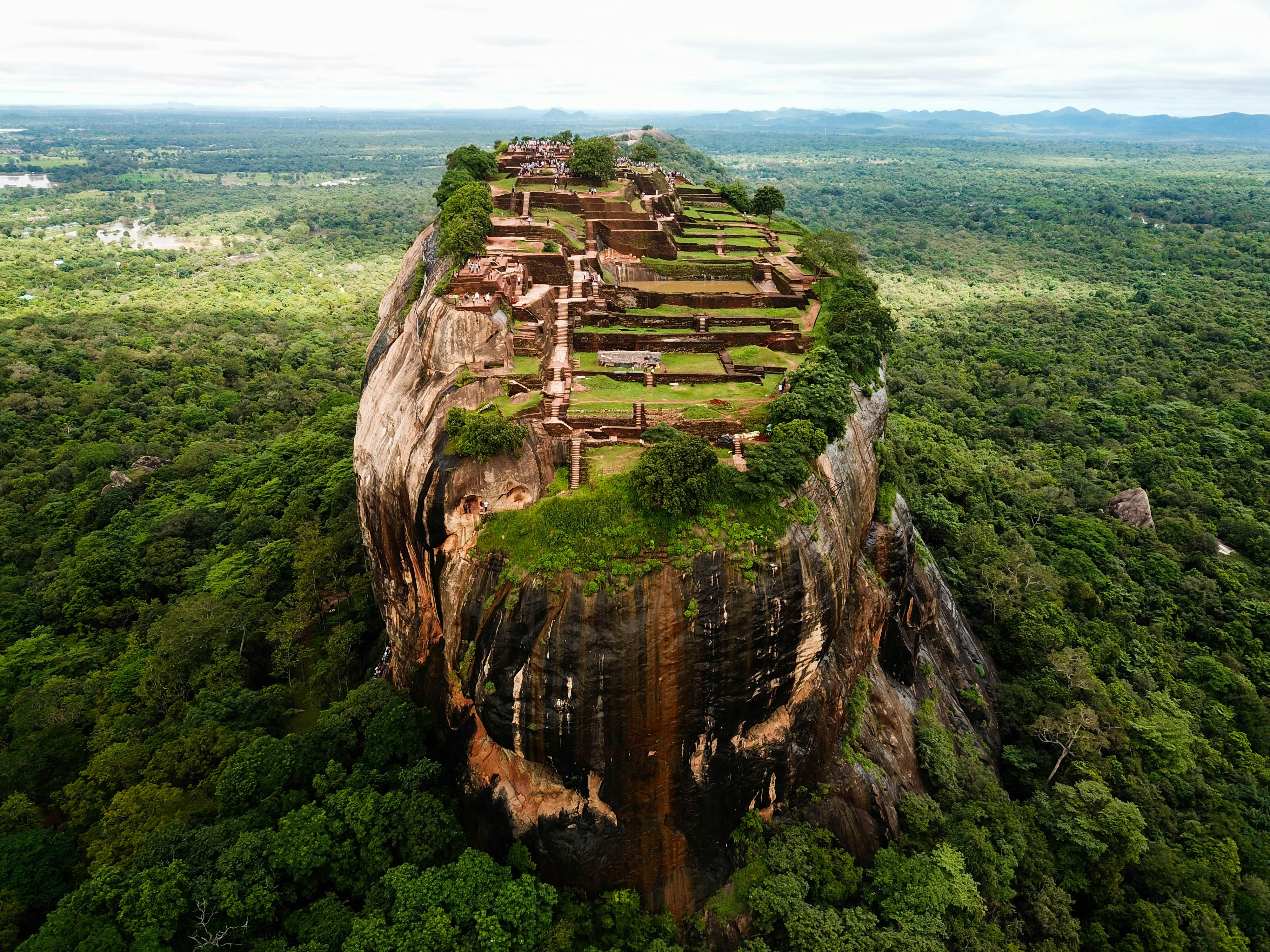
Rising dramatically from the surrounding plains, Sigiriya Rock Fortress is one of Sri Lanka's most iconic and impressive archaeological sites. This ancient rock citadel, a UNESCO World Heritage Site, stands 200 meters high and represents one of the best-preserved examples of ancient urban planning in the world.
Historical Significance
Sigiriya was built in the 5th century AD by King Kassapa I, who chose this massive rock as the site for his capital and palace. The king transformed the natural rock into an elaborate palace complex, complete with sophisticated water gardens, frescoes, and defensive structures. After the king's death, the site became a Buddhist monastery until it was abandoned in the 14th century.
The name "Sigiriya" comes from "Sihagiri," meaning "Lion Rock," referring to the massive lion sculpture that once guarded the entrance to the palace at the top. Today, only the lion's paws remain, but they give visitors a sense of the grandeur that once existed.
The Water Gardens
Before you even begin the climb, the water gardens at the base of the rock showcase ancient engineering marvels. These symmetrical gardens feature fountains, pools, and channels that still function today during the rainy season. The sophisticated hydraulic system demonstrates the advanced engineering skills of ancient Sri Lankan builders.
The gardens are divided into three sections: the water gardens, boulder gardens, and terraced gardens, each with its own unique features and purpose. Walking through these gardens provides insight into the luxurious lifestyle of the ancient kings.
The Frescoes
One of Sigiriya's most famous features is the collection of frescoes located in a sheltered pocket halfway up the rock. These beautiful paintings, believed to date back to the 5th century, depict celestial maidens known as "Sigiriya Damsels." The frescoes are remarkably well-preserved and showcase the artistic sophistication of ancient Sri Lankan culture.
Only about 22 of the original 500 frescoes remain today, but they provide a glimpse into the artistic traditions of the time. The paintings are protected in a special gallery, and photography is restricted to preserve these ancient treasures.
The Climb
Climbing Sigiriya is an adventure in itself. The ascent involves navigating steep staircases, walking along narrow pathways attached to the rock face, and climbing through the remains of the lion gateway. The climb takes approximately 1-2 hours depending on your pace and fitness level.
Key points along the climb include:
- The Mirror Wall: Originally polished to a mirror-like finish, this wall contains ancient graffiti from visitors over the centuries
- The Lion Gate: The massive paws of the lion sculpture mark the final ascent to the summit
- The Summit: The remains of the palace complex with foundations, pools, and stunning views
The Summit Experience
Reaching the summit of Sigiriya is a rewarding experience. The views from the top are breathtaking, offering 360-degree panoramas of the surrounding jungle, distant mountains, and the ancient city below. You can see the remains of the palace foundations, including the king's throne area, pools, and various structures.
The summit covers about 1.6 hectares and includes the remains of the royal palace, cisterns for water storage, and various other structures. Standing at the top, you can truly appreciate the engineering feat of building a palace on such a challenging location.
Best Time to Visit
The best time to climb Sigiriya is early in the morning (around 6:30-7:00 AM) to avoid the heat and crowds. The morning light also provides better conditions for photography. Alternatively, late afternoon visits offer beautiful sunset views, though the descent in fading light requires extra caution.
Avoid visiting during the hottest part of the day (11 AM - 3 PM) as the rock can become extremely hot, and the climb is more challenging in the heat.
What to Bring
- Comfortable walking shoes with good grip
- Plenty of water (there are vendors, but it's expensive)
- Hat and sunscreen
- Camera (though fresco photography is restricted)
- Light clothing that covers your shoulders and knees (respectful attire)
Tips for the Climb
- Take your time - there's no rush, and the climb can be challenging
- Stay hydrated throughout the climb
- If you have a fear of heights, be aware that some sections are quite exposed
- Hire a guide at the entrance for historical context and safety
- Visit the museum at the entrance before or after your climb to learn more about Sigiriya's history
Nearby Attractions
Sigiriya is part of the Cultural Triangle, and there are several other important sites nearby:
- Pidurangala Rock: A nearby rock offering alternative views of Sigiriya, especially beautiful at sunrise
- Dambulla Cave Temple: Just 20 km away, featuring ancient Buddhist cave temples
- Minneriya National Park: Known for elephant gatherings, especially during the dry season
Getting There
Sigiriya is located in the Central Province, approximately 169 km from Colombo. The journey takes about 4-5 hours by road. Many visitors combine Sigiriya with visits to other Cultural Triangle sites like Anuradhapura, Polonnaruwa, and Dambulla.
Sigiriya Rock Fortress is more than just a historical site - it's a testament to human ingenuity and ambition. The combination of natural beauty, ancient engineering, artistic achievement, and breathtaking views makes it one of the world's most unique archaeological sites. A visit to Sigiriya is an essential experience for anyone traveling to Sri Lanka, offering a glimpse into the island's rich history and the remarkable achievements of its ancient civilizations.
Ready to Explore Sri Lanka?
Get your free quote and start planning your perfect Sri Lankan adventure today!
Get Your Free Quote